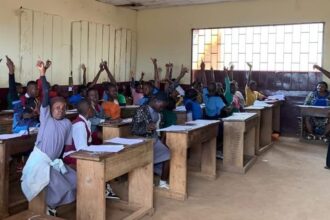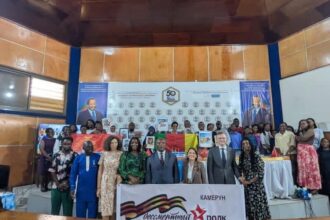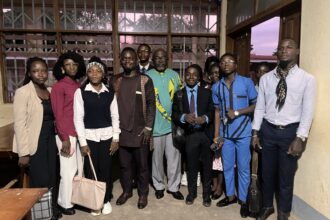
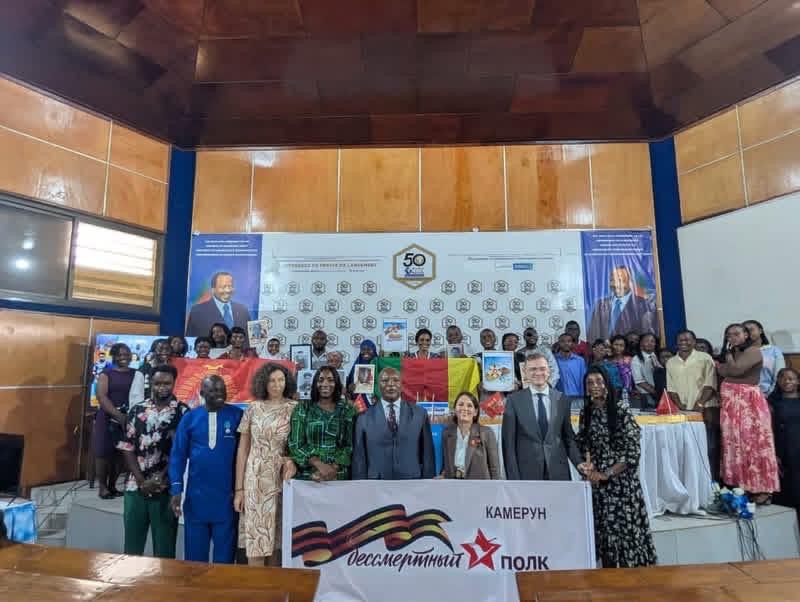
Students of Journalism 3, Communication of Organizations 3, and Master’s programmes in Political and Sports Journalism at the Advanced School of Mass Communication, ASAMAC, took part in a scientific and reflective conference on Friday, 8 May 2026, at the Hervé Bourges Amphitheatre in Yaounde. The event focused on the theme: “Sharing and Preserving the Collective Memory of the Second World War.”
The conference was organized by the Association of Teachers of Russian Language and Literature in Cameroon and aimed at educating students on the importance of preserving historical memory and promoting peace. The activity coincided with the international commemoration marking the end of the Second World War in Europe on 8 May 1945.
During the meeting, speakers highlighted the devastating consequences of the Second World War, which claimed millions of lives and reshaped global politics and international relations. Participants were reminded that preserving the memory of such tragedies remains essential in preventing future conflicts and promoting tolerance among peoples.
The discussions also focused on the role of journalists and communication professionals in protecting historical truth. According to the speakers, media practitioners have the responsibility to fight misinformation, preserve archives, and transmit factual information to younger generations.
Experts equally stressed that although direct witnesses of the war are gradually disappearing, their stories continue to survive through documentaries, books, museums, and digital archives. This, they noted, makes the work of historians, educators, journalists, and communicators even more important in safeguarding collective memory.
Students who attended the event described the conference as enriching and educational. Many said the discussions helped them better understand the importance of peace, responsible communication, and historical awareness in modern society.
The meeting ended with a call for young people to actively contribute to the preservation of historical memory through research, ethical journalism, and cultural dialogue.
Carl WOBYEB